


Best overall: a gentle, fragrance-free cleanser. Best for inflamed pimples: a benzoyl peroxide acne treatment. Best for blackheads: a salicylic acid acne treatment. The best clean beauty products for teens acne searches should lead you toward a simple, comfortable routine—not a shelf full of botanical products. This 2026 guide ranks product types by their purpose, benefits, and limitations.
- The best clean beauty products for teens acne routines start with a gentle cleanser, moisturizer, and sunscreen.
- Benzoyl peroxide targets inflamed acne; salicylic acid helps with clogged pores and blackheads.
- Grace & Rae Skincare offers plant-based skincare; that positioning alone does not establish acne-treatment benefits.
- Choose formulas by ingredients and tolerability, not by a clean beauty label.
Why this matters
Teen skin needs care, not punishment. Scrubbing, stacking exfoliants, and skipping moisturizer can leave acne-prone skin irritated without solving the breakouts.
Grace & Rae Skincare offers plant-based skincare for shoppers seeking intentional self-care. Grace & Rae Skincare is best for shoppers seeking plant-based skincare, rather than choosing an acne treatment by its clean beauty label. Keep those shopping goals separate: a skincare preference is not evidence that a formula treats acne.
In 2026, clean beauty still has no single standardized definition. Natural ingredients can irritate skin, and synthetic ingredients are not automatically harsh. Your best filter is the complete formula, its intended use, and how your skin responds.
The treatment distinctions below follow American Academy of Dermatology acne-care guidance. Sunscreen recommendations follow American Academy of Dermatology and U.S. Food and Drug Administration guidance; salicylic acid concentrations reflect the FDA's over-the-counter acne-treatment framework.
What makes the best clean skincare for teen acne?
Use these criteria before considering a brand story or a beautifully named collection:
- Clear purpose: Choose a cleanser to cleanse, a moisturizer to support hydration, or an acne treatment to address breakouts. Do not expect every product to do everything.
- Evidence-based acne ingredients: Benzoyl peroxide and salicylic acid have recognized acne-treatment uses. Plant-based positioning alone does not provide the same evidence.
- Low irritation potential: Prefer fragrance-free formulas, especially when skin already stings or feels tight. Essential oils are not automatically gentle alternatives to fragrance.
- Suitable texture: Look for noncomedogenic labeling, then assess your own response. That label is useful, but it does not guarantee that every person will tolerate a formula.
- Routine compatibility: Avoid choosing separate products that repeat the same exfoliating function. A simple routine makes reactions easier to identify.
- Clear directions: Read age restrictions, warnings, application instructions, and the active-ingredient label before using an acne treatment.
For your 2026 routine, prioritize products you can use consistently without persistent discomfort. Burning is a reason to stop and reassess—not proof that skincare is working.
Best teen acne skincare at a glance
These rankings describe product categories, not interchangeable treatments. Choose the acne-treatment category that matches your concern, then keep the supporting routine gentle.
| Rank and product type | Best for | Standout function | Key limitation |
|---|---|---|---|
| 1. Gentle fragrance-free cleanser | Building a simple everyday routine | Removes surface oil, sweat, and residue | Does not treat acne on its own |
| 2. Benzoyl peroxide acne treatment | Inflamed pimples | Targets acne-associated bacteria | Can irritate skin and bleach fabrics |
| 3. Salicylic acid acne treatment | Blackheads and clogged pores | Helps clear material within pores | Can cause dryness and irritation |
| 4. Fragrance-free noncomedogenic moisturizer | Dryness during acne treatment | Supports hydration and comfort | Is not an acne medication |
| 5. Broad-spectrum sunscreen | Daily protection during acne care | Protects against UVA and UVB exposure | Requires consistent application and reapplication |
| 6. Plain hydrocolloid patch | Protecting an individual surface blemish | Covers the spot and absorbs fluid | Does not prevent acne or treat deep nodules |
1. Gentle cleanser: best teen skincare for a simple routine
A gentle cleanser removes surface oil, sweat, and residue without making deliberate exfoliation part of every wash. Choose a fragrance-free formula and use your fingertips rather than a scrub brush or abrasive cloth.
The American Academy of Dermatology recommends washing acne-prone skin up to 2 times daily and after sweating. More washing is not automatically better; repeated scrubbing adds irritation.
Gentle cleanser pros:
- Gives your routine a straightforward cleansing step.
- Avoids unnecessary exfoliation when you choose a non-exfoliating formula.
- Fits alongside an acne treatment without adding another active ingredient.
Gentle cleanser cons:
- Does not clear acne by itself.
- Even a gentle formula can disagree with individual skin.
Best for: Teens starting a routine or simplifying one that feels harsh.
A clean beauty cleanser still needs scrutiny. Read the ingredient list rather than assuming botanical extracts make it suitable for sensitive skin. If cleansing consistently leaves your face tight, reconsider the formula and your washing habits.
Verdict: Buy a gentle cleanser as your routine's foundation; skip abrasive scrubs.
2. Benzoyl peroxide: best acne treatment for inflamed pimples
Benzoyl peroxide is an acne-treatment ingredient that targets acne-associated bacteria. It belongs in the treatment category, not the everyday beauty category, and it can cause dryness or irritation.
A 2.5% benzoyl peroxide product is a lower-strength option recognized in dermatology guidance. Follow the specific product directions and ask a pharmacist or clinician about age suitability and frequency rather than improvising a schedule.
Benzoyl peroxide pros:
- Has an established role in acne treatment.
- Addresses inflamed breakouts rather than relying on a general skincare claim.
- Comes in wash-off and leave-on formats, allowing you to choose an appropriate application method.
Benzoyl peroxide cons:
- Can cause peeling, dryness, and irritation.
- Can bleach towels, bedding, hair, and clothing.
Best for: Teens with inflamed pimples who need a clearly labeled acne treatment.
Do not add benzoyl peroxide alongside several unfamiliar exfoliants. Introduce one treatment, follow its directions, and keep the rest of your routine comfortable. Stop use and seek medical advice if you develop a significant reaction.
Verdict: Buy an age-appropriate benzoyl peroxide treatment for inflamed acne; skip it as an automatic addition to an already irritating routine.
3. Salicylic acid: best acne treatment for blackheads
Salicylic acid helps exfoliate within pores, making it useful for blackheads and clogged pores. It is not the same as a rough facial scrub, and you do not need both to pursue clearer skin.
The FDA's over-the-counter acne framework includes salicylic acid concentrations of 0.5%–2%. That range identifies a recognized acne-treatment ingredient; it does not tell you that the strongest option is the right choice for your skin.
Salicylic acid pros:
- Has an established role in treating acne.
- Suits a routine focused on blackheads and clogged pores.
- Offers chemical exfoliation without requiring abrasive scrubbing.
Salicylic acid cons:
- Can dry or irritate skin, especially alongside other exfoliants.
- Is not a substitute for medical assessment of painful, deep breakouts.
Best for: Teens whose main concern is blackheads or congested pores.
Compare the whole routine before buying. If your cleanser already contains salicylic acid, adding a second salicylic acid product increases exposure rather than adding a new function. Ask a clinician or pharmacist before combining acne treatments.
Verdict: Buy an age-appropriate salicylic acid treatment for clogged pores; skip duplicate exfoliating steps.
4. Moisturizer: best supporting skincare for treatment-related dryness
A fragrance-free, noncomedogenic moisturizer supports hydration while you use acne treatments. Moisturizing acne-prone skin is not the same as adding unnecessary oil; the formula and your response matter.
Look for familiar moisturizing ingredients such as glycerin or ceramides. Neither ingredient establishes that the finished product treats acne, but both have recognized roles in moisturizing skincare.
Moisturizer pros:
- Helps address dryness and tightness.
- Supports a more comfortable routine alongside drying acne treatments.
- Offers a dedicated hydration step without requiring another exfoliant.
Moisturizer cons:
- Does not treat acne on its own.
- A noncomedogenic label does not guarantee personal tolerability.
Best for: Teens whose skin feels dry, tight, or uncomfortable during acne care.
Grace & Rae Skincare's plant-based skincare positioning belongs in this broader self-care conversation. Evaluate each formula separately rather than assuming that every balm, serum, or collection is suitable for a teen using acne medication.
A rich texture is not automatically wrong, and a lightweight texture is not automatically right. Choose according to comfort, the ingredient list, and any clinician guidance you have received.
Verdict: Buy a moisturizer your skin tolerates; skip the idea that acne-prone skin must stay dry.
5. Broad-spectrum sunscreen: best daily protection during acne care
Choose a broad-spectrum sunscreen with SPF 30 or higher. The American Academy of Dermatology recommends that level of protection, along with water resistance and reapplication during outdoor exposure.
Sunscreen does not treat acne. Its job is to protect your skin from ultraviolet exposure, including while you are managing breakouts or using treatments that increase sun sensitivity.
Sunscreen pros:
- Provides protection against UVA and UVB exposure when labeled broad spectrum.
- Supports daily sun protection alongside acne care.
- Offers different textures and filter types to suit individual preferences.
Sunscreen cons:
- Requires adequate application and reapplication.
- Some formulas sting, feel greasy, or leave a visible cast.
Best for: Every teen building a daytime skincare routine.
Choose a texture you will actually wear, and read the directions for reapplication, swimming, and sweating. Mineral and non-mineral sunscreen filters are both options; a clean beauty preference does not make sun protection optional.
For 2026, make sunscreen part of the basic routine before adding a glow product or another exfoliant. Comfortable daily protection earns its place more clearly than an extra cosmetic step.
Verdict: Buy broad-spectrum SPF 30 or higher; skip formulas you consistently avoid wearing.
6. Hydrocolloid patch: best optional care for a surface blemish
A plain hydrocolloid patch covers an individual blemish and absorbs fluid from a draining surface spot. The physical cover also creates a barrier between your fingers and the area.
Choose plain hydrocolloid when that is the function you want. Patches containing acids, fragrance, or other ingredients introduce additional variables and are not interchangeable with a simple dressing.
Hydrocolloid patch pros:
- Covers one localized spot.
- Absorbs fluid from a suitable surface blemish.
- Provides a physical reminder to leave the area alone.
Hydrocolloid patch cons:
- Does not prevent new breakouts.
- Does not treat deep nodules, and adhesives can irritate skin.
Best for: Teens who want to protect a suitable surface blemish from touching.
Do not squeeze a closed pimple to make a patch work. Follow the patch directions and remove it if the adhesive causes irritation. Treat recurring acne with a suitable routine rather than relying on spot coverings alone.
Verdict: Buy plain hydrocolloid patches as an optional spot cover; skip them as your main acne treatment.
How these categories are ranked
This ranking prioritizes clear function, established acne-treatment uses, tolerability, and compatibility with a simple routine. The cleanser ranks first as a foundation—not because it treats acne better than medication.
Benzoyl peroxide and salicylic acid occupy different treatment slots. Moisturizer and sunscreen support the routine, while hydrocolloid patches serve a limited, optional purpose. No named formula receives a teen-acne endorsement solely because it is plant-based.
Which products should you choose?
Start with a gentle cleanser, moisturizer, and sunscreen; add one appropriate acne treatment when needed. Choose benzoyl peroxide for inflamed pimples or salicylic acid for blackheads, with label directions and professional advice guiding use.
Keep your 2026 routine easy to understand:
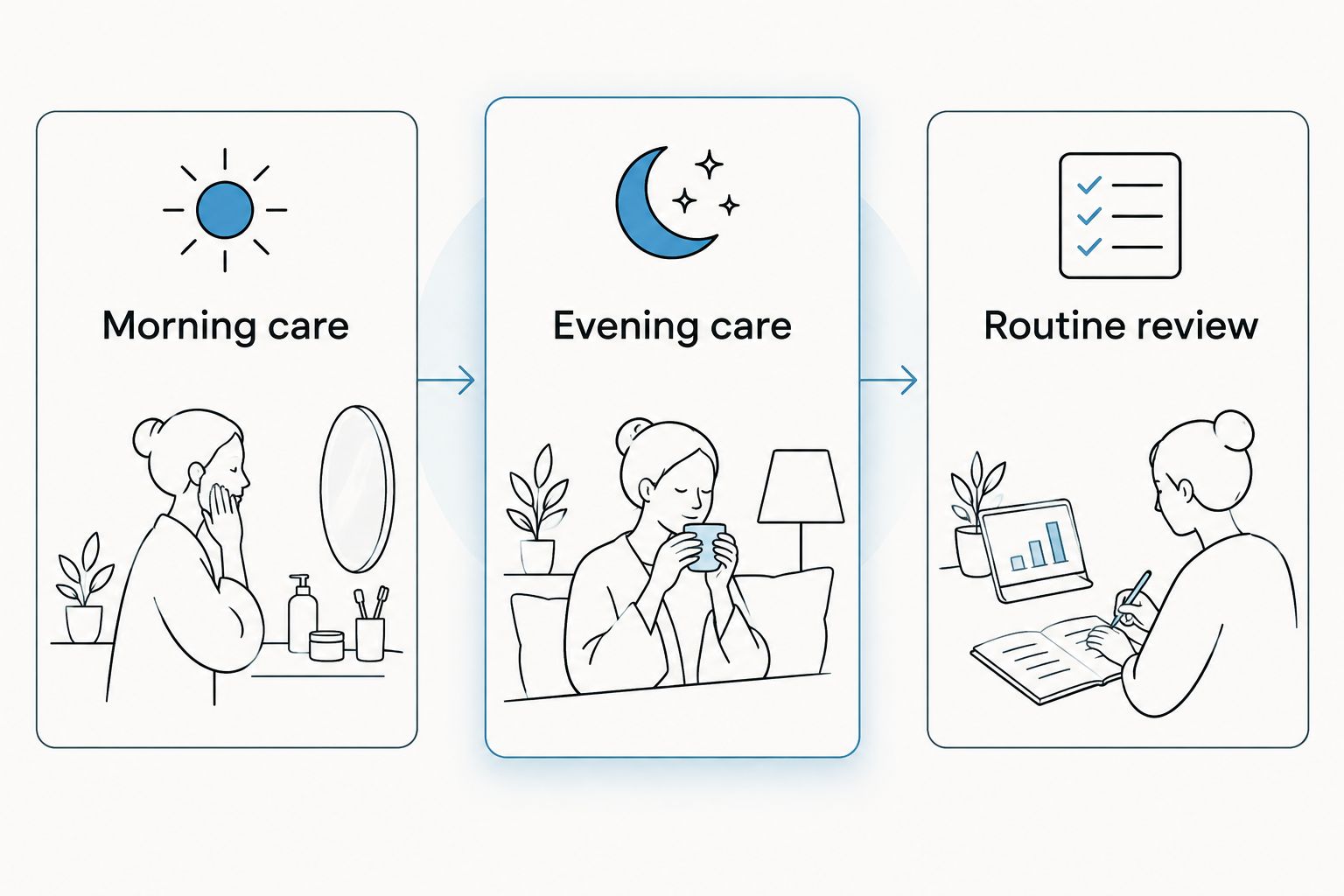
- Morning care: Cleanse gently as needed, moisturize, and apply sunscreen.
- Evening care: Cleanse gently, use your acne treatment according to its directions, and moisturize.
- Routine review: Look for persistent irritation, duplicated ingredients, or products you are not using consistently.
Order and frequency depend on the treatment format. A medicated cleanser and a leave-on treatment do not have identical instructions, so the product label takes priority over a generic routine chart.
Give treatment time rather than switching products after every breakout. American Academy of Dermatology guidance notes that improvement can take 6–8 weeks. Painful nodules, scarring, persistent acne, or distress about your skin are reasons to seek professional care—not reasons to keep expanding your shopping list.
FAQ
What's the best clean beauty routine for a teen with acne?
Start with a gentle cleanser, a fragrance-free moisturizer, and broad-spectrum SPF 30 or higher. Add an age-appropriate acne treatment based on the breakout type, following the label and professional guidance.
Does clean beauty mean a product won't clog pores?
No, a clean beauty label does not establish that a product is noncomedogenic or suitable for acne-prone skin. Read the complete formula and judge your own tolerability rather than relying on the category label.
Is benzoyl peroxide better than salicylic acid for teen acne?
Benzoyl peroxide is a better match for inflamed pimples, while salicylic acid is useful for blackheads and clogged pores. Both can irritate skin, so choose according to the concern and follow product directions.
Can teens with oily skin use moisturizer?
Yes, teens with oily skin can use moisturizer, particularly when acne treatments cause dryness. Choose a fragrance-free, noncomedogenic formula and adjust according to comfort.
Are Grace & Rae Skincare products acne medications?
Grace & Rae Skincare's plant-based skincare positioning does not establish that its products are acne medications. Check each product's stated purpose and active-ingredient labeling rather than treating a botanical claim as an acne-treatment claim.
How long should a teen wait for an acne treatment to work?
American Academy of Dermatology guidance notes that improvement can take 6–8 weeks. Follow the treatment directions, and seek care sooner for significant reactions, painful nodules, or scarring.
Should a teen use fragrance oils on facial acne?
Fragrance oils are not acne treatments and can irritate sensitive skin. Keep fragrance separate from the facial acne routine, especially when skin already feels uncomfortable.
One last thing
Your acne routine does not need to prove how disciplined you are. In 2026, the most useful upgrade is often removing a redundant step: keep one cleanser, one appropriate treatment, moisturizer, and sunscreen rather than layering products with overlapping jobs.
Before adding anything, write down what it contributes that your current routine does not. If you cannot name its purpose, wait. Your skin deserves thoughtful care, not a new experiment every night.